
.jpg)
You've heard the word. Maybe a friend won't stop talking about it, your physio mentioned it, or you've clocked another studio opening near you. But what is Pilates actually doing for you, and is it worth the hype?
Spoiler: it usually is. Here's why.
It Started With a Hospital Bed
Pilates was created by Joseph Pilates during WWI, using hospital beds as his only equipment (the original reformer).
Since then, the practice has been refined by decades of research, and today it's regularly recommended by physios, GPs, osteopaths and exercise physiologists, and some even train in it themselves so they can prescribe it directly to patients.
What Makes It Different From Other Workouts?
Most exercise focuses on muscles shortening under load, like the curl of a bicep. Pilates also trains muscles lengthening under load, known as eccentric contraction. This builds strength, improves flexibility, and helps your body handle more load with fewer reps, which tends to mean better results with a lower risk of injury.
Your Instructor Is Watching (In a Good Way)
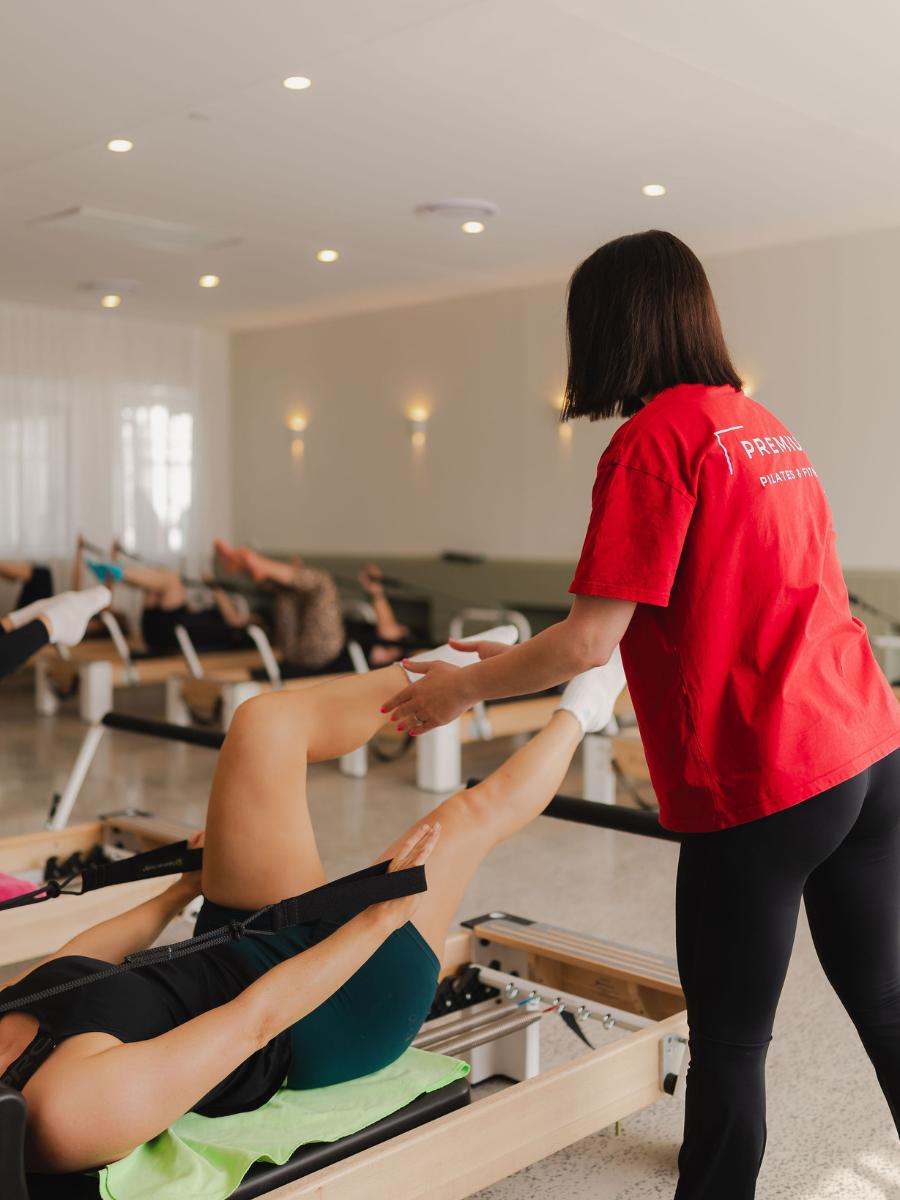
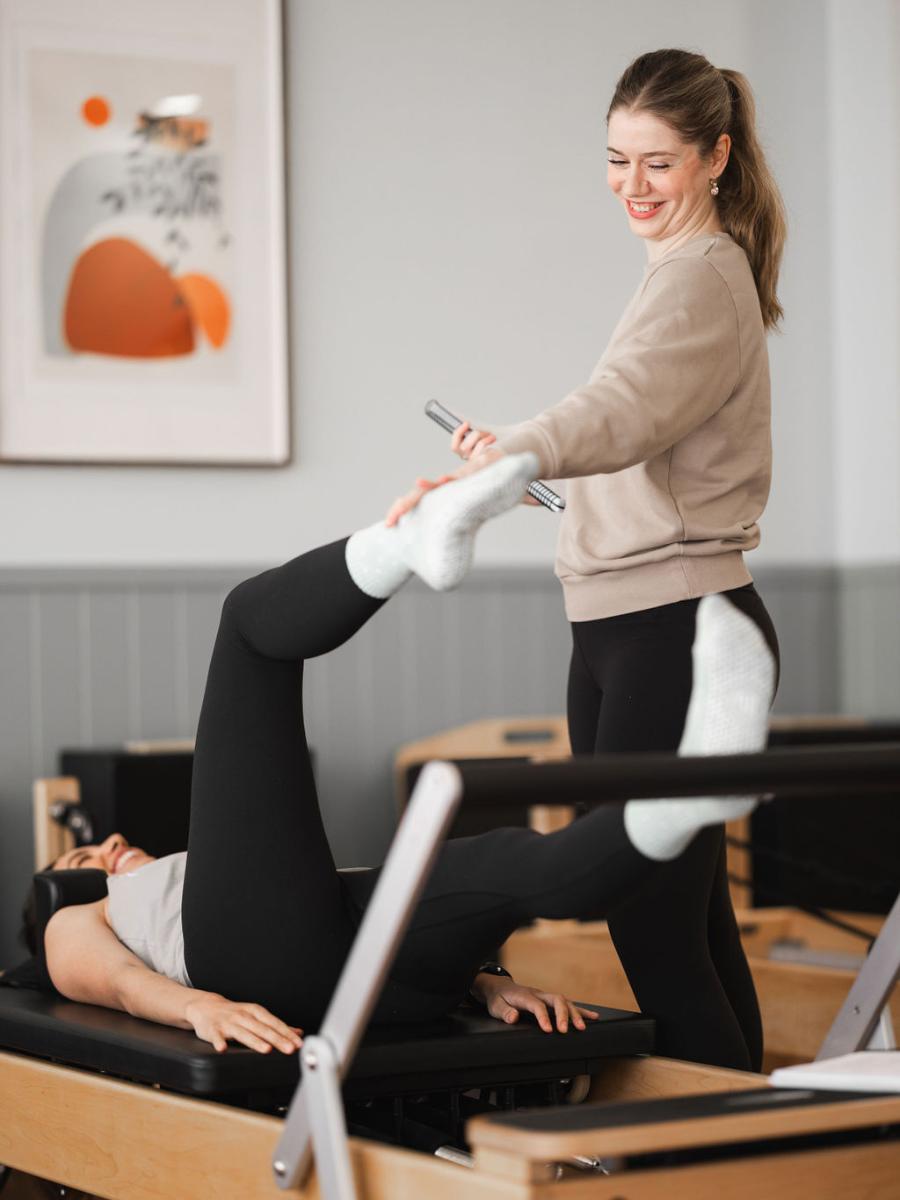
A well-trained Pilates instructor isn't just counting your reps. They're watching how you move. Most of us have developed compensation patterns, the subtle habits where stronger muscles quietly take over for weaker ones. Left unchecked, these lead to overuse injuries and pain that feels like it came from nowhere.
A good instructor spots these patterns early and helps you correct them before they become a problem. As Zoe, a clinical pilates instructor at Premium Pilates and Fitness, puts it:
‘Pausing and finding subtle sensations can be just as beneficial as pushing through an exercise. A Big part of teaching is knowing which one a person needs in that moment.'
The Body Awareness Side of Things
Pilates consistently trains something called proprioception, which is your body's sense of where it is in space. Think of it as your internal GPS. When it's sharp, you move better, feel more coordinated, and are far less likely to roll an ankle or strain your back.
It also takes load off your brain. When your body knows what it's doing, your nervous system doesn't have to work as hard. This is why people often walk out of a Pilates class feeling calmer and clearer, not just physically tired.
Breathing With a Purpose
Breathing in Pilates isn't just a cue to relax. Different breathing techniques are used intentionally throughout class.
- A strong exhale activates the deep core muscles and supports your spine.
- A full inhale to open up your range of motion during stretches.
- A faster breath tempo can elevate your heart rate and kick your body into gear
- And a slower breath lowers cortisol, improves focus and deepens your mind-body connection.
It's one of the things that makes Pilates feel genuinely different from other forms of exercise.
The Bit Nobody Tells You About
Here's the part that tends to surprise new clients the most: the community.
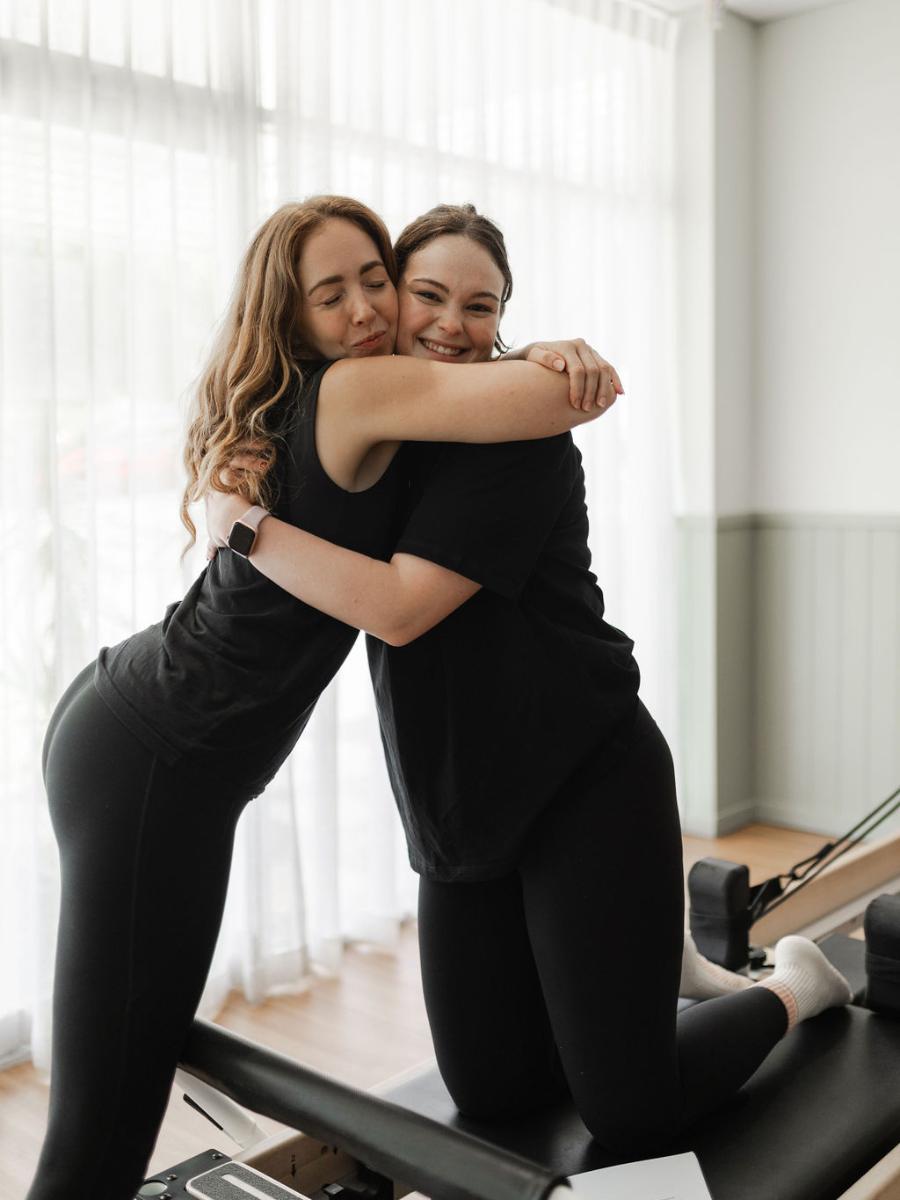
Research shows that exercising with others in a supportive environment increases pain tolerance, improves mood, and lowers how hard your workout feels, meaning you actually get more out of it. The people around you in class aren't just background noise. They're quietly contributing to your results.
Is Pilates Right for You?
Whether you're brand new to exercise, recovering from injury, or just looking for something that challenges you without wrecking you, Pilates meets you where you are. It's adaptable, evidence-based, and designed to make your body work better for the long term.
The best thing you can do is try a class. You'll understand it in your body faster than any article can explain it. At Premium Pilates and Fitness, that's exactly what we've built our studios around. If you're curious, come along to a class and see for yourself.
Sources:
Core muscle activation in Pilates - Hu et al. (2024), BMC Sports Science, Medicine & Rehabilitation
Eccentric training and muscle strength - Bai et al. (2025), Life
Proprioception and mental fatigue - Sun et al. (2025), Sensors


