
Bone Mineral Density.. Most of us have heard the term, some of us have had the test, but what exactly is BMD and how does the density of my bones effect the quality of my life?
A good question and one that might be becoming more prevalent as we age, especially for women.
What is Bone Mineral Density?
Our Bone Mineral Density, as the name suggests, is a measure of how much of the hard material our bone cells are producing and packing together to form the structure and strength of our bones. In a typical adult, this should account for around 60-65% of our total skeleton’s weight.
Your T-Score
The T-Score - from your BMD test - is the number we use to measure where you rank compared to a ‘healthy persons’ bone density. If you score above -1 your good to go. If you score between -1 and -2.5 you have low bone mass (osteopenia) and need to make some changes asap. If you score under -2.5 you are at a high risk (osteoporotic) and should be working with an allied health professional to ensure you minimising your risk and building back some bone!
If You Don’t Use It, You Lose It
The challenge is, as with all tissue in our body - if you don’t use it, you lose it. And our bone requires continual, appropriate stress to prompt our cells to lay down more bone mineral and strengthen our skeleton, the same way we challenge our muscles and feel slightly sore after a good workout.
Why Does It Matter?
Day-to-day, you might not realise or notice what a weak skeleton feels like, and to be honest, you wouldn’t, however just as children break their bones as they grow, we adults can break our bones as we age. The main risk being falls and I’ll throw some numbers your way to put things into perspective.
The hip is one of the strongest and densest parts of our body with the ability for a healthy hip to absorb upwards of 6000N (Told you its strong!) However a hip that is lacking in sufficient bone density (osteoporosis) can have a capacity of as little as 2000N… Now the scary part. A fall onto your hip from a standing position can have an impact force of ~ 8,600N… A challenge for even a healthy hip! But you can see how a lack of BMD can go from “It doesn’t feel weak” to “I’m in big trouble”.
The Most Notable Risks for a Decrease in BMD
- Aging and menopause: Estrogen and testosterone drops. After menopause, women lose the bulk of their bone building cell protector - Estrogen. And just through this process can lose up to 20% of their BMD within 5-7 years if they do nothing.
- Corticosteroids: No, not the gym junkie type, the type that are found in heaps of medication for anti-inflammatory or immunosuppressive conditions. These actively supress bone formation.
- Low Body Mass Index (BMI < 19): Simply put, the lighter you are, the less ‘positive’ stress your bones are under.
But Its Not All Doom and Gloom!
If you’re reading this, you’re already in the right place to do something about it.
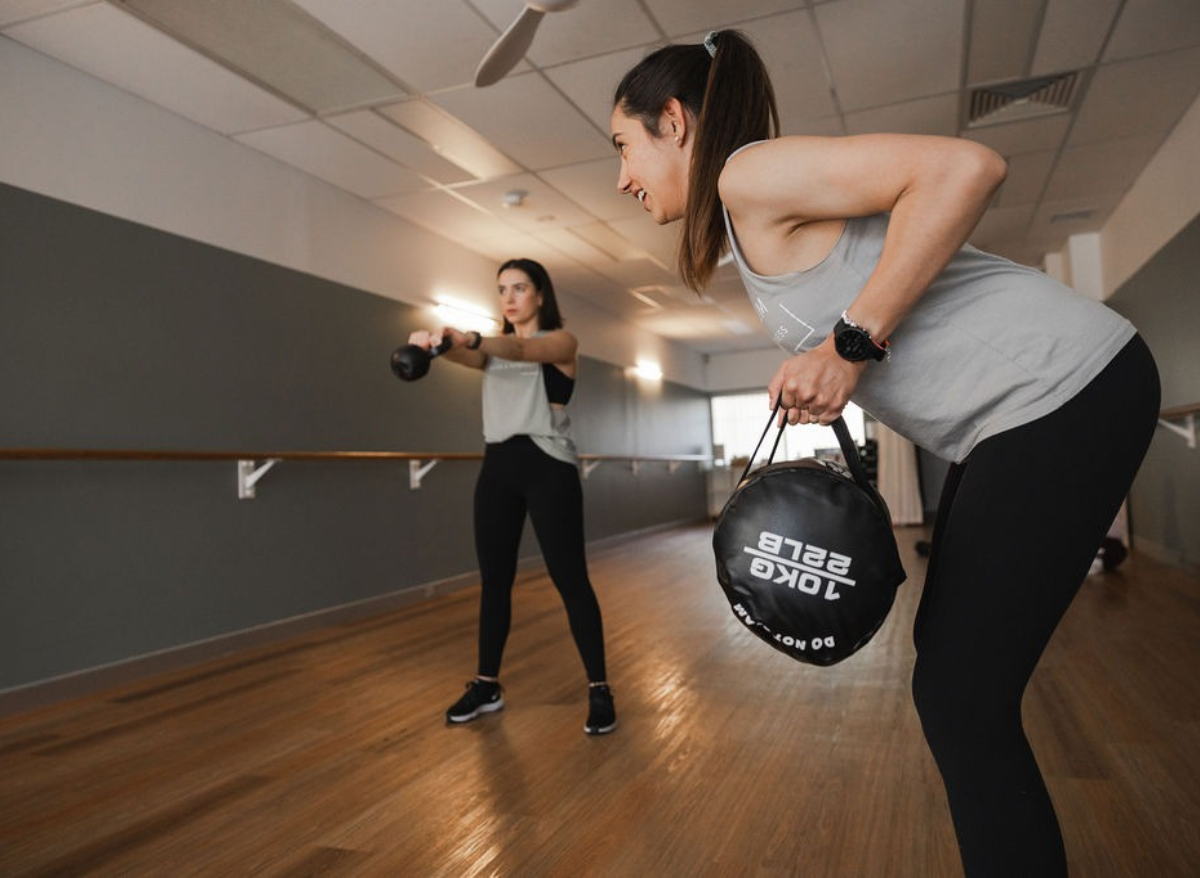
Pilates and our Strength x Conditioning classes are a great way to work on preventing bone density loss. Balance training, muscle building, core workouts - all contribute to lowering your risk of falling, building muscle that pulls on our bones and core control that controls our spine.
But Our Bones Need More!
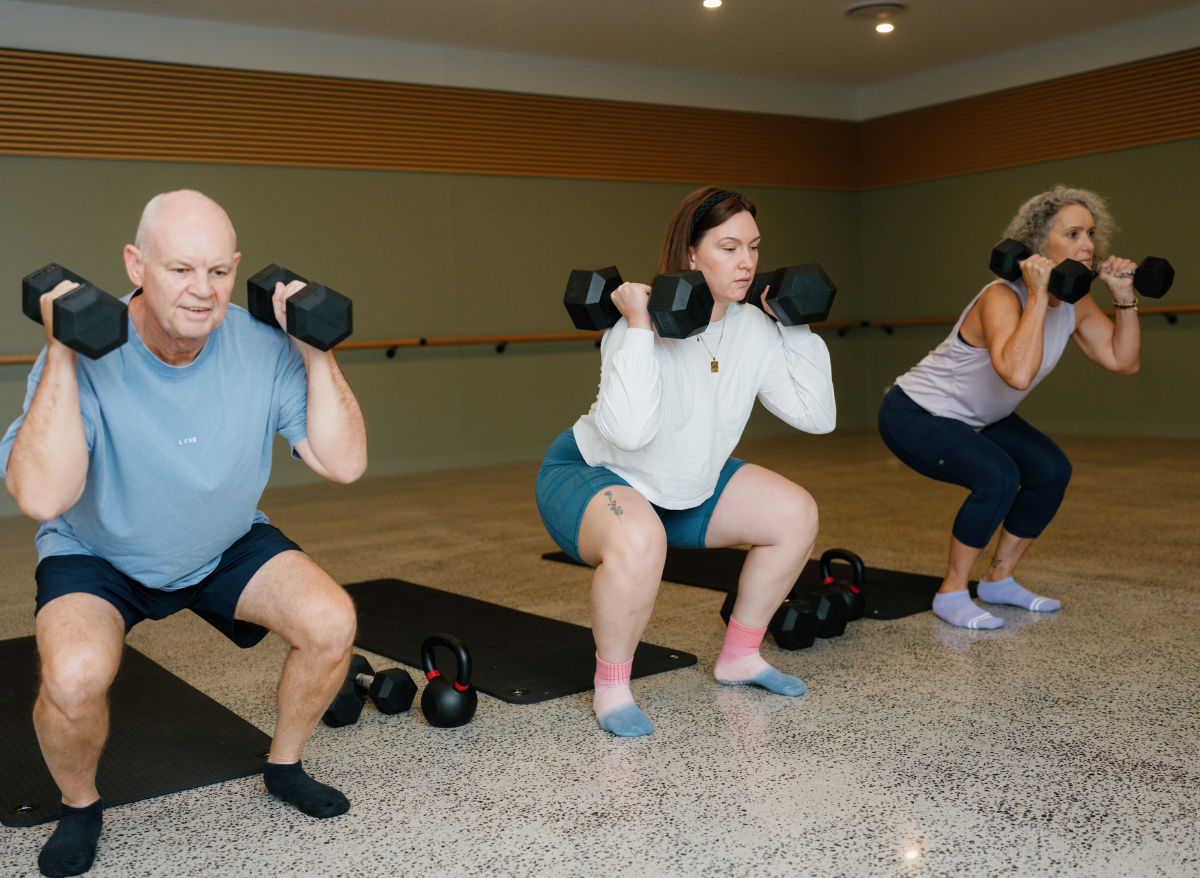
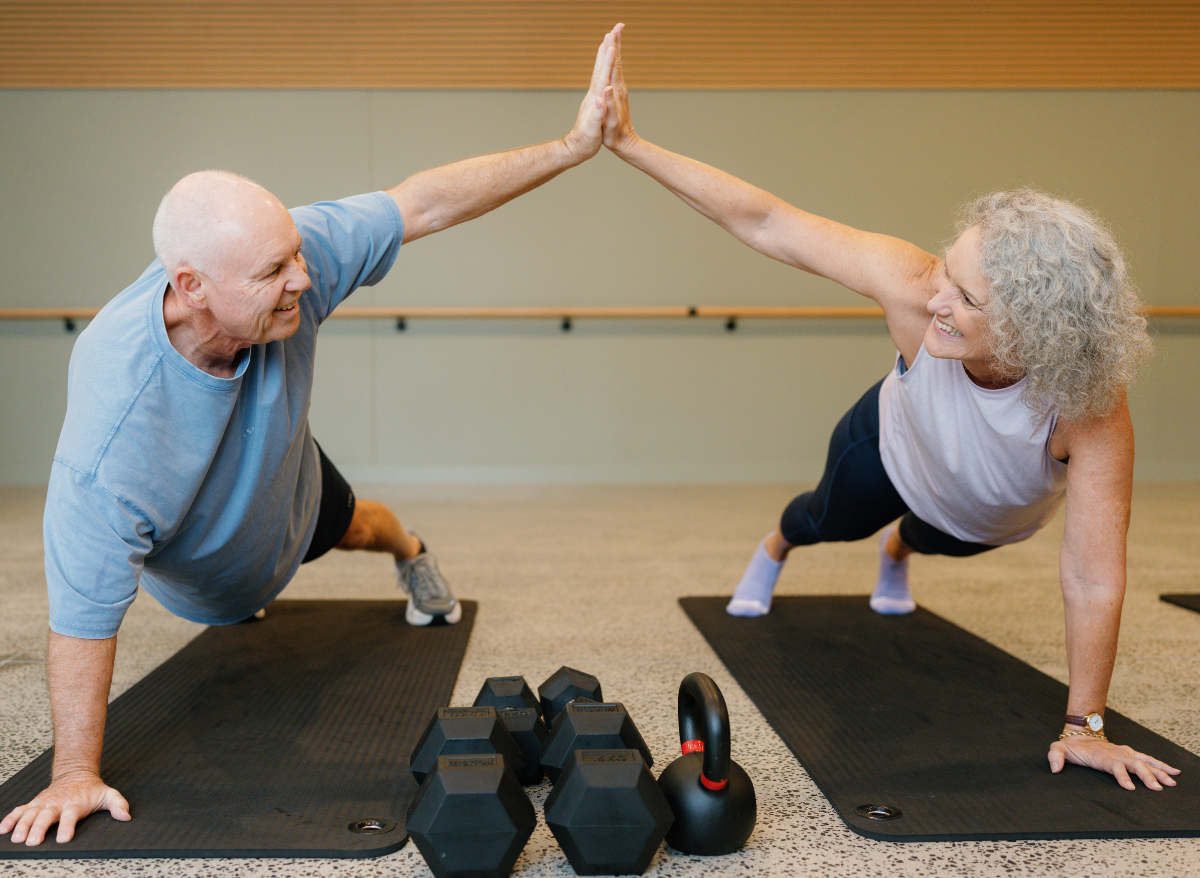
If you’ve already been told you have a low or ‘at risk’ BMD (osteoporosis or osteopenia) or you have a family history of these conditions, simple reformer and matwork might not cut it. This is where the dumbbells come in.
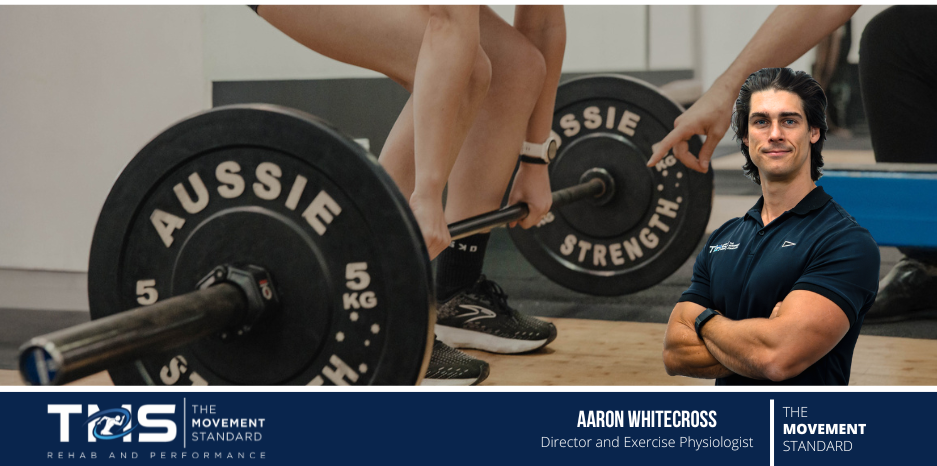
Lifting weights as little as twice per week can be enough to trigger the change. But its not easy work, think back to the forces the hip can withstand. To challenge such bones, we need to be working hard and lifting weights that are heavy for you. Impact exercising such as running and jumping are also great for stimulating stronger bones.
Building Bone Takes Time
The final challenge. Building bone takes time, and improvements in BMD can take 6-12 months of hard work. However, if we get it right, even the smallest improvements here are huge wins for our bone strength.
If you have been diagnosed with Osteopenia or osteoporosis, The Movement Standard should be on your radar. A consult with an EP at TMS will have you set up and ready to build some bone! We will assess your current exercise and help integrate what you’re already doing with any extra work you might need to ensure you are hitting the bone building blocks safely and effectively!
Prevention is the Key!
Regularly engaging in resistance training and strength classes is the best way to ensure you keep strong bones challenged - lifting weights that are heavy for you (safely of course).
After all, if you Load Well, you will Live Well.
If you or someone you know has questions or would like some help better understanding or treating BMD issues, please reach out us at TMS. We would be happy help you further.
- Aaron Whitecross | TMS
Want to know more about strength training? Check out Strength Training is for Everyone. That means YOU!
Start building stronger bones today and sign up to one of our Strength and Conditioning (SxC) classes!


