
Resistance training, or strength training, is often misconstrued as only for athletes, gym junkies or people wanting to build muscle. But strength training is about so much more than lifting heavy weights or changing the way you look. It is about improving your movement, your physical function and your ability to live life well.
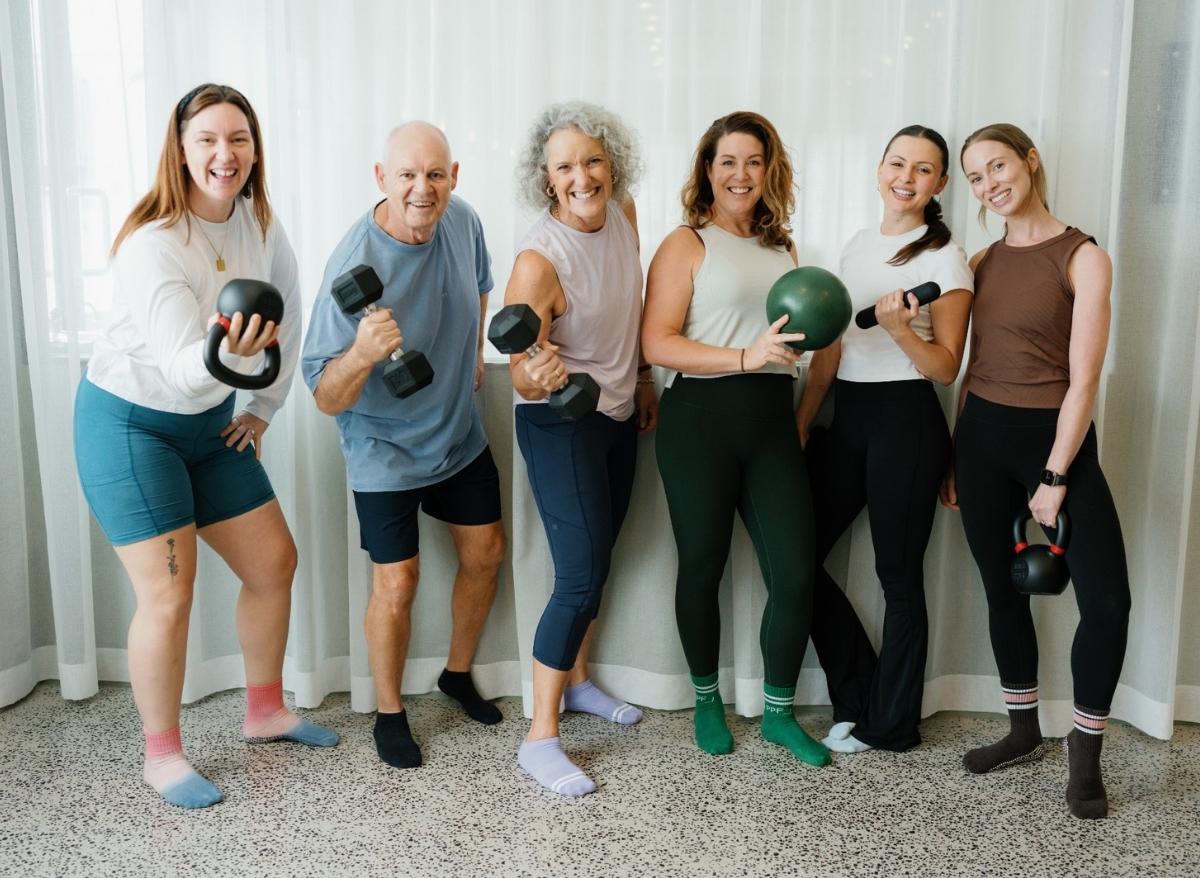
Whether you’re 18 or 80, new to exercise or already active, strong or starting from scratch, strength training can be adapted to meet your individual needs, abilities and goals.
So, Who Should Be StrengthTraining?
.jpg)
EVERYONE!
Strength training can be adapted to suit any age, fitness level, ability or health goal. The exercises, resistance, repetitions and intensity can all be modified depending on where you are starting from and where you want to go.
Youth
For children and adolescents, appropriately prescribed strength training can help develop strength, movement skills, coordination and physical capacity. It can also help young people build confidence in their ability to move and participate in sport and everyday activities.
Women
Strength training can support muscle and bone health throughout a woman’s life. Maintaining strength becomes particularly important as we age, helping to preserve physical function and support healthy ageing. Strength training can also form part of an exercise program during periods of hormonal change, including menopause.
Pregnancy and Postpartum
Strength training can be modified throughout pregnancy to help maintain strength and physical capacity as the body changes. It can support the physical demands of pregnancy and prepare the body for the demands of labour, while appropriately prescribed exercise can also assist with maintaining function and managing common musculoskeletal discomfort.
After pregnancy, progressive strength training helps to rebuild physical capacity and support the return to everyday activities, exercise and sport.
Adults
For adults, strength training helps maintain muscle mass, strength, bone health and physical capacity. It allows us to continue doing the things we need and want to do. From working and caring for our families to exercising, travelling and participating in hobbies.
Older Adults
As we age, we naturally lose muscle mass and strength. This can affect balance, mobility and our ability to perform everyday tasks.
Strength training can help slow age-related muscle loss, support bone health, improve balance and physical function, and maintain independence and confidence. Staying strong means having the physical capacity to continue doing the things you enjoy for as long as possible.
Athletes
For athletes, strength training can improve strength, power, muscular endurance and physical resilience. It can complement sport-specific training and help athletes develop the physical qualities required to perform at their best.
People Living With Health Conditions
Strength training can also play an important role in the management of many health conditions. When appropriately prescribed, it can help maintain or improve physical function, manage symptoms, build physical capacity and support participation in everyday activities.
For someone living with a chronic condition, the goal isn’t necessarily to lift the heaviest weight possible. It may be to have enough strength and capacity to walk further, return to work, play with their children or complete daily tasks with less difficulty.
Returning From Injury or Inactivity
If you have been injured or have had a period of reduced activity, your strength and physical capacity may have changed. A progressive strength program can help rebuild capacity and gradually increase the demands placed on the body.
The aim is not to do everything at once. It is to start at an appropriate level, allow the body to adapt and progressively work towards your goals.
Strength Is a Foundation for Everyday Life
Strength training isn’t just something we do in the gym. We use strength every day. Getting out of a chair. Carrying shopping bags. Climbing stairs. Lifting your child. Gardening. Moving around the house. Getting in and out of the car. These activities all require strength.
As we age, maintaining that strength becomes increasingly important. Strength training helps us maintain the physical capacity required to live independently and continue participating in the activities that matter to us.
The Benefits of Strength Training
The benefits extend well beyond building muscle.
Strength training can:
- Decrease age-related muscle loss, known as sarcopenia
- Improve balance and coordination
- Reduce falls risk
- Increase or maintain bone mineral density
- Improve joint stability
- Support tendon and connective tissue capacity
- Maintain mobility and physical function
- Improve glucose regulation and insulin sensitivity
- Support healthy blood pressure and cardiovascular health
- Reduce cardiometabolic disease risk
- Help preserve independence as we age
- Support pain management as part of a broader approach to chronic conditions such as osteoarthritis and persistent back pain
- Improve confidence and physical self-efficacy
- Support participation in everyday activities, exercise and sport
Ultimately, strength training helps increase the amount of physical capacity you have available to you.
What Does Strength Training Actually Look Like?
Strength training doesn’t have to mean squatting a heavy barbell, lifting the heaviest dumbbells in the gym or training five days a week.
It can include:
- Bodyweight exercises
- Resistance bands
- Dumbbells
- Barbells
- Weight machines
- Cables
- Functional movements
The best form of strength training is the one that is appropriate for you and your current capacity.
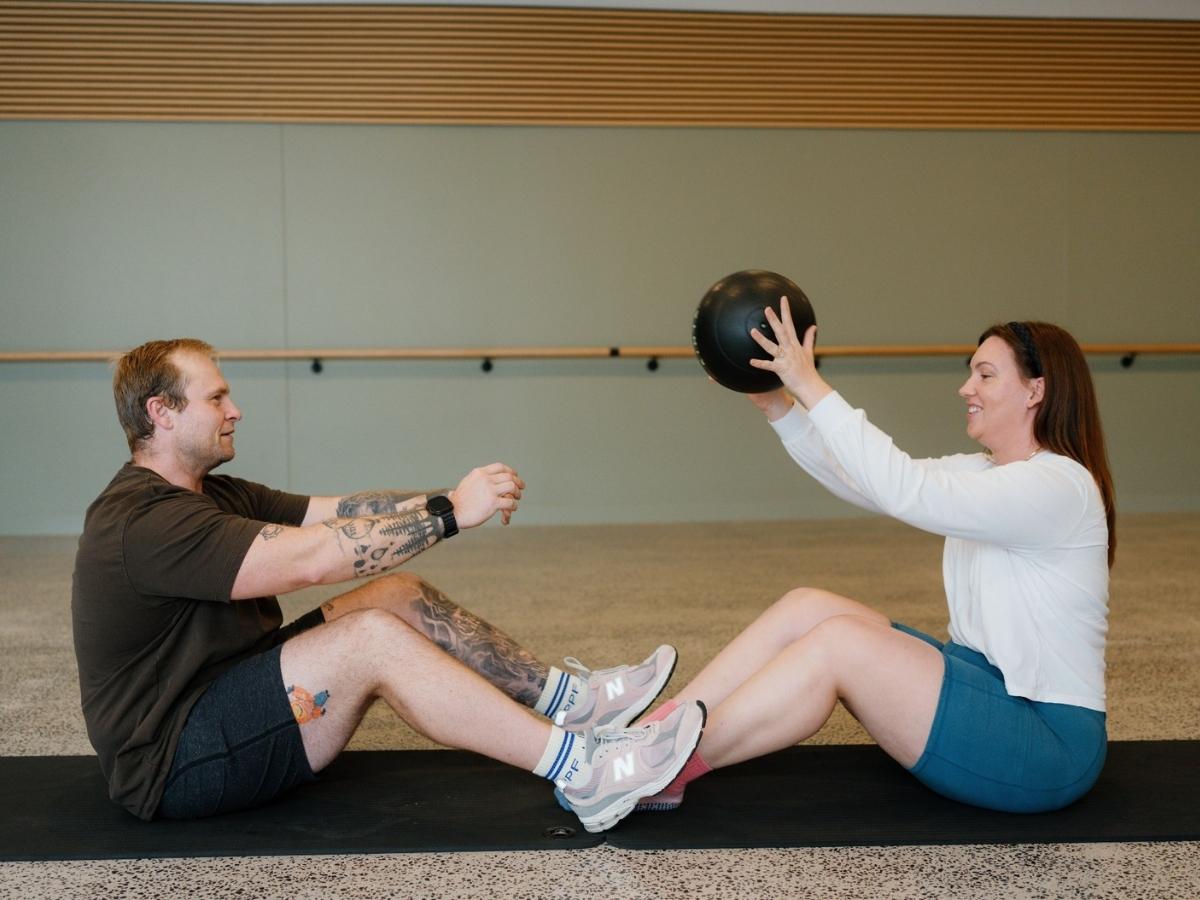
Someone starting their strength journey may begin with bodyweight exercises or light resistance, while an experienced athlete may require significantly greater loads. Both are strength training.
The goal is to provide an appropriate stimulus that challenges the body and allows it to adapt.
Progression Is Key
For many adults, aiming to complete strength training for the major muscle groups at least twice per week is a practical starting point.
Over time, progressive overload is important. This means gradually increasing the challenge placed on the body as your capacity improves. This could involve increasing the weight, repetitions, sets, range of movement, exercise complexity or overall training volume.
The important part is that progression is appropriate for you. More isn’t always better, and the right starting point may be very different from someone else’s.
Start Where You Are
Your starting point doesn’t matter. Your age doesn’t define your ability, and strength training doesn’t have to look a certain way. You don’t need to be strong to start strength training.
Strength training is how you become stronger.
As Exercise physiologists, we can help make strength training appropriate for your individual needs by modifying exercises, resistance, repetitions, volume and intensity. Whether your goal is to improve your health, manage a condition, return from injury, sporting performance or simply make everyday life easier, strength training can be adapted to help you get there.
Strength isn’t just about building muscle. It’s about your ability to do what you want to do, for longer.
As we say at The Movement Standard. If you Load Well you will have the capacity to Live Well.
-Kimberly
Exercise Physiologist | TMS