

.jpg)
By Kimberly | Accredited Exercise Physiologist
.jpg)
Ageing is inevitable, but how we age is something we have far more influence over than many people realise. While wrinkles and grey hair often get the spotlight, the most important changes occur beneath the surface; in our muscles, bones, heart and brain. Regular exercise is one of the most powerful tools we have to slow the ageing process, maintain independence and improve quality of life. Whether you’re 25 or 75, it’s never too early or too late to start.
Many people believe they only need to think about exercise when they begin to feel older. In reality, the foundations for healthy ageing are built decades earlier. From our 30s onwards, our bodies naturally begin to lose muscle mass, muscle strength and bone density. Without regular physical activity, these changes accelerate, increasing the risk of falls, fractures, chronic disease and loss of independence later in life.
Building healthy habits early helps create a larger “reserve” of muscle and bone, making it easier to remain active and independent as we age.
Muscle loss: the silent part of ageing
One of the most significant changes associated with ageing is sarcopenia, the age-related loss of skeletal muscle. Research shows that adults lose approximately 3–8% of their muscle mass per decade after the age of 30, with the rate increasing after age 60. This decline is even greater in people who are inactive.
Muscle isn’t just important for lifting weights or playing sport. It plays a vital role in:
- Walking and climbing stairs
- Maintaining balance
- Protecting joints
- Supporting metabolism
- Regulating blood sugar
- Maintaining independence
Muscle can be worked on at any stage in life! Resistance training can increase muscle size and strength even in people in their 80s and 90s.
Muscle power declines even faster
While muscle strength is important, muscle power (the ability to produce force quickly) is even more critical for healthy ageing.
Muscle power allows us to:
- Catch ourselves if we trip
- Stand up from a chair
- Climb stairs
- Cross the road safely
- React quickly to prevent falls
Muscle power declines faster than muscle mass or strength. Research suggests muscle power decreases by approximately 10–15% per decade from around age 50, with losses accelerating beyond the age of 70. This is one reason why older adults may feel slower or less confident with movement, even if they still appear relatively strong. Like improving muscle size, appropriately prescribed strength and power-based exercises can significantly improve muscle power at any age.

Bone health - the earlier you start the better
Bones are living tissue that constantly remodel throughout life. During childhood and adolescence, our bones become stronger as we grow. Typically, people reach their peak bone mineral density (BMD) between 25 and 30 years of age. After this point, bone density gradually begins to decline. Women experience a more rapid loss following menopause due to decreasing oestrogen levels, while men typically lose bone more gradually over time.
This makes the years leading up to peak bone density incredibly important. Building strong bones through weight-bearing exercise, resistance training and adequate nutrition creates a “bone bank” that provides protection later in life. However, even after peak bone density has been reached, exercise continues to play a vital role in slowing bone loss and reducing fracture risk.
Exercise is key for healthy ageing
Exercise benefits virtually every system in the body and has been shown to:
- Preserve muscle mass and strength
- Improve muscle power and balance
- Maintain bone density
- Reduce falls and fractures
- Improve cardiovascular health
- Lower the risk of type 2 diabetes
- Support healthy body composition
- Enhance memory and brain function
- Improve mood and reduce symptoms of anxiety and depression
- Increase energy levels
- Improve sleep quality
Perhaps most importantly, exercise helps people maintain their ability to do the things they enjoy—whether that’s travelling, playing with children and grandchildren or remaining independent at home.
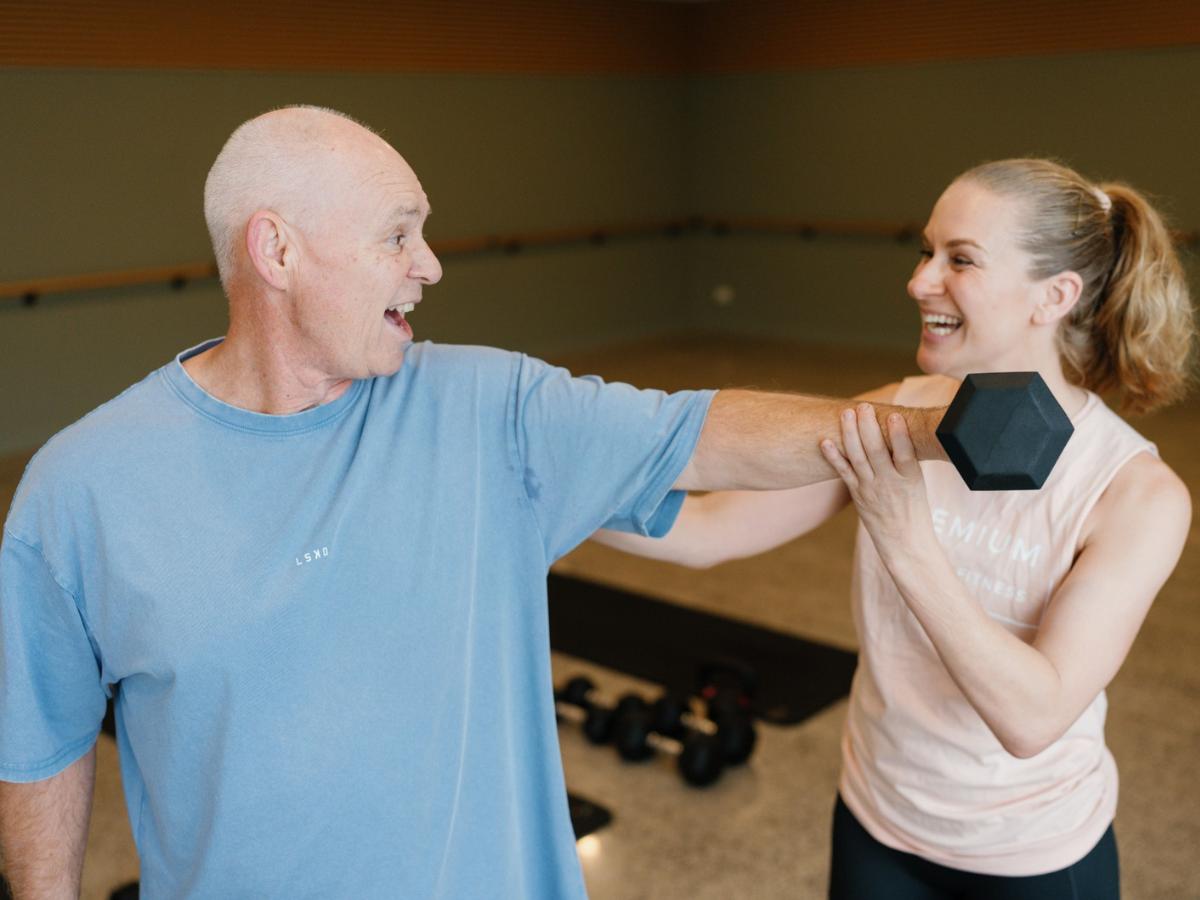
Often we hear “it’s too late for me to start”, and this is one of the biggest myths about exercise. Research consistently shows that older adults respond remarkably well to exercise. Beginning resistance training at any age has demonstrated significant improvements in muscle strength, walking speed, balance and quality of life.
The body remains capable of adapting throughout life. Every walk, every strength or Pilates session, and every active choice contributes to better health.
What type of exercise is best?
Healthy ageing is supported by a combination of different forms of exercise.
- Resistance training at least two to three times per week to maintain muscle and bone health.
- Weight-bearing activities such as weights, walking, stair climbing or hiking to support bone strength.
- Balance exercises to reduce fall risk.
- Aerobic exercise for heart, lung and brain health.
- Mobility and flexibility exercises to maintain comfortable movement.
The best exercise program is one that is enjoyable, progressive and tailored to your current fitness level and any medical conditions.
The take-home message
Starting exercise earlier allows you to build stronger muscles and bones before age-related decline begins. However, if you haven’t been active before, today is still the perfect day to start.


